
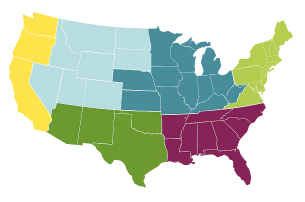
How do we use your location?
Knowing your location helps us recommend plants that will thrive in your climate, based on your Growing Zone.
Reduce Your Lawn Day is a national call to action to inspire transformations that turn underutilized yard space into thriving ecosystems with simple planting projects. Because small changes, multiplied across thousands of yards, create a real impact.
Join us! Take the pledge and be part of a movement where collective action leads to lasting change.
See this year's incredible prizes in the graphic below and sign up for your chance to win!


This New York front yard garden features Black Eyed Susans, Echinacea, Sulphur Cosmos, and more in a front yard garden
Shop Perennials
This Vermont couple replaced over an acre of lawn with wildflowerse for blooms, more beauty, and more pollinators!
Shop Pollinator Wildflowers

Traditional turfgrass is a dead zone for wildlife. Reducing your lawn rebuilds habitat for birds, butterflies, fireflies, and more.

Less mowing means cleaner air, less noise, and fewer spills from gas equipment.

Skip fertilizers and pesticides that harm waterways, soil, pollinators, and people.

Gardening reduces stress and boosts well-being—get outside and dig in!
Reducing a turfgrass lawn is one of the easiest ways to make a yard better for pollinators, people, and the planet. Need inspiration? Try these:
Remove grass along your driveway and plant an easy-to-grow wildflower border.
Plant easy-to-grow perennials around your mailbox.
Flip the strip with a low-growing mini-meadow.
Add a flower bed of native flowers for a pollinator pit stop.
Expand beds using groundcovers.
Swap hard-to-trim edges for creeping groundcovers.
Build a raised bed for a cut flower garden.
Remove fence-line grass and sow wildflowers.
Create a bird-friendly corner with native plants.
Flank your walkway with blooms to boost curb appeal.

Trusted by leading organizations


