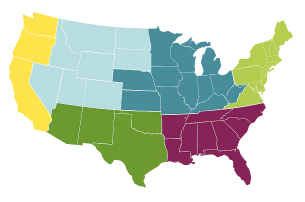
When To Plant:
Microclover prefers cooler temperatures for germination and growth, so spring and fall are the best time to plant; avoid planting at the hottest time of year. In spring, you can sow as early as two weeks before your last frost date. In fall, sow at least 4-6 weeks prior to your first average frost date, so that perennial clover plants have time to establish root systems before freezes hit. In spring you’ll have more weed pressure; planting in fall allows you to avoid the germination time of most weeds.
Soil Preparation:
For the best success with your new planting, we recommend removing existing growth and preparing soil for planting.
Watering:
All new plantings should be kept damp for best results with germination. Water daily to ensure your soil doesn’t dry out. Once seedlings appear after about 2 weeks, watering can be reduced to 1-3 days.
Maintenance:
The benefit of growing Microclover in your lawn is that it does not need fertilizer! Avoid the use of herbicides because they will damage or kill Microclover. Microclover will stay green from spring through fall, but in winter, it will go dormant and turn brown.
Sowing Seeds:
Using the recommended coverage rate, scatter seeds densely and gently compress seeds for good seed to soil contact. We recommend reserving about 10-15% of seeds so that you can fill patches that may occur.
For more information on Microclover, read How To Grow Microclover: The Secret To A Self-Sustaining Lawn