Native Pacific Northwest Wildflower Seed Mix

Regular price $27.95
Sale price $27.95 Regular price $0.00
per 1/4 Pound
Sale |
ZONES  7-9 | Good to grow! Zone
Choose a Size: 1/4 Pound
Regular price $27.95
Sale price $27.95 Regular price $0.00
Regular price $37.95
Sale price $37.95 Regular price $0.00
Regular price $74.95
Sale price $74.95 Regular price $0.00
$72.59/lb
Regular price $362.95
Sale price $362.95 Regular price $0.00
$70.00/lb
Regular price $699.95
Sale price $699.95 Regular price $0.00
$62.48/lb
Regular price $1,561.95
Sale price $1,561.95 Regular price $0.00
$60.00/lb
Regular price $2,999.95
Sale price $2,999.95 Regular price $0.00
Bulk Savings - Buy More, Save More!
Amount: 1/4 Pound
Regular price $27.95
Sale price $27.95 Regular price $0.00
Regular price $37.95
Sale price $37.95 Regular price $0.00
Regular price $74.95
Sale price $74.95 Regular price $0.00
$72.59/lb
Regular price $362.95
Sale price $362.95 Regular price $0.00
$70.00/lb
Regular price $699.95
Sale price $699.95 Regular price $0.00
$62.48/lb
Regular price $1,561.95
Sale price $1,561.95 Regular price $0.00
$60.00/lb
Regular price $2,999.95
Sale price $2,999.95 Regular price $0.00
No shipping data More Information

• Provide essential habitat for at-risk native pollinators, birds and wildlife
• 100% native to the Pacific Northwest with over a dozen wildflower varieties adapted to your local ecosystem
• These long-lasting, resilient native wildflowers are extremely low maintenance once established
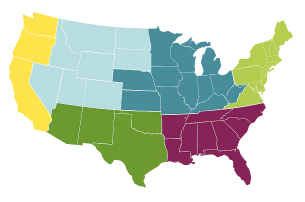
• Expertly curated for Northern California, Western Oregon, Western Washington and the Province of British Columbia
• 100% pure, non-GMO and neonicotinoid free

Videos
 

More Like This

What's In This Mix

This mixture contains 13 wildflowers, 5 annuals for first-year color, plus 8 perennials or biennials for second and successive years' bloom.
Name
Life Cycle
Bloom Time
Native To
Achillea millefolium var. occidentalis
Western Yarrow Seeds Achillea millefolium var. occidentalis
Perennial
Summer
Western North America
Showy Milkweed Seeds
Showy Milkweed Seeds Asclepias speciosa
Perennial
Early to late summer
West of the Mississippi River
Rocky Mountain Bee Plant Seeds
Annual
Summer
Eastern WA state east over the Rockies and into the Great Plains.
Plains Coreopsis Seeds
Plains Coreopsis Seeds Coreopsis tinctoria
Annual
Summer to fall
The Great Plains and Southern United States
California Poppy Seeds
California Poppy Seeds Eschscholzia californica
Annual
Spring to summer
California
Blanket Flower Seeds
Blanket Flower Seeds Gaillardia aristata
Perennial
Summer
North American plains
Globe Gilia Seeds
Globe Gilia Seeds Gilia capitata
Annual
Spring
Pacific Coast
Blue Flax Seeds
Blue Flax Seeds Linum perenne
Perennial
Spring to summer
Europe, Asia
Russell Lupine Seed Mix
Russell Lupine Seed Mix Lupinus polyphyllus
Perennial
Spring to summer
Bee Balm or Wild Bergamot Seeds
Perennial
Mid summer to fall
Most regions of North America
Baby Blue Eyes Seeds
Baby Blue Eyes Seeds Nemophila menziesii
Annual
Late spring to mid summer
Tall Evening Primrose Seeds
Tall Evening Primrose Seeds Oenothera elata subsp. hookeri
Perennial
Summer
California
Sphaeralcea munroana
Munro's Globemallow Seeds Sphaeralcea munroana
Perennial
Late Spring to Summer
Western North America

Overall rating: 4.5555553 / 5 from 18 reviews.

AI Generated Review Summary

Summary topics

Review topics: ["color","water","coverage","mix","plants","bees","wildflowers","flowers","tips","seeds","field","mine","bloom","yield","grass"].

Review highlights

Reviews

Great yield

"I sowed in our city parking strip and was really pleased with the yield and variety. I'll buy again and use at a more rural setting, too."

Mellie M. (5/5)

I was very impressed by the coverage these seeds provided.

"Love the coverage and different northwest flowers that are attracting bees and butterflies 😊"

Flower (5/5)

Let down

"Bought and planted in early April. It is late June and there are maybe ten blossoms through the whole yard. Huge let down."

Amanda (1/5)

Beautiful Colorful Wildflowers

"The Native Pacific Northwest Wildflower Seed mix had great germination--I think every single seed germinated! The plants have been covered in thousands of delicate blooms for months now, and the colors change as new varieties start to bloom and older flowers die back. The flower colors start white and blue, then lavender and yellow flowers, red and orange flowers next, and finally just about every color shows up in the mix. I'm really pleased with these seeds! The plants are drought-tolerant, but we had a very hot summer and I've been watering the plants more than I expected. Next year I hope the seeds come back on their own and need a bit less watering."

Nick (5/5)

Stunning transformation for a former strip of weeds

"I bought this seed mix for a strip of land between my neighbor's driveway and ours, and I couldn't be happier. The mix is delightful, and the bees think so, too! Every day, I go out and they are everywhere. The colors are beautiful, and the flowers have been in bloom for about 2 months now, so the selection is well-prepared to last all summer. BONUS: This mix survived the PacNW "heat dome" of 2021 where we had a weeklong extreme heat wave (up to 116F) without watering. They were well established by mid-June and didn't show signs of distress, so I didn't water - I would have watered if they were younger, to be safe. REQUEST FOR AMERICAN MEADOWS: Please include (or even make one available for download) a chart of the flowers in the mix so it's easier to help with identification when weeding, and to check off what's appears throughout the summer, to know what survived in my soil and what didn't. [Disclaimer on photos: 1 or 2 of the plants may be left over from former owner's plantings. ]"

Girl H. (5/5)

Beautiful!!!

"I planted this seed mix around the whole border of my yard. It's so beautiful! The bumble bees are in heaven as well."

Sky (5/5)

Very Pretty

"I've never grown wildflowers before and have been impressed by the Native Pacific NW mix so far. I planted this mix in a narrow perimeter bed around a new vegetable garden. I followed the instructions for ground preparation and planting to the "T". My only suggestion to American Meadows is that it shows a picture of the seedling for each type of plant in the mix. With the COVID-19 stay at home order, I had a lot of time on my hands to weed and it would have been helpful to have these pictures in one place for reference. Pulling out the weeds early when they're small makes a big difference!"

Wild O. (5/5)

Good for Bees!

"I spread this mix on a steep West facing hillside behind my house that was not irrigated. I had a lot of variety the first year and then only a few returned the following year (naturally seeded themsleves). These surviving varieties have returned for the third year so they must have found their niche. The dominant flower color is purple, which I like. The pollenators are very active on these survivors. Having a strong bee/butterfly/hummingbird population will help out with the rest of my garden. I do knock down (weed wacker and rake) all the plant matter in the fall to allow room for the next season's growth."

Coco (5/5)

The ones that showed up this year are great, but many didn't

"I planted the seeds in beds bordering our home also in large pots to show color around our fish ponds."

The A. (4/5)

Little Farm in the City

"I can't grow grass. It is just a fact, one which I am totally fine with because I don't like it much anyway. Plus I am more of a low maintenance kind of girl myself. So one of the first things that I did when I bought my house was pull out every hedge that I could and tear up all the grass. I love being out in the woods when I can so I knew that I wanted to bring a little bit of that into my "neck of the woods" so I decided to plant a meadow for a yard. I also had a pretty good slop in my front yard so that area would get a little bit dry. Plus it gets dry here in the summer anyway so I wanted something that was kind of drought tolerant. Being the fourth generation Oregon girl I am I went with the Native Pacific Northwest mix. Even though I live in Southern Oregon, which is considered part of the Pacific Northwest, we technically don't get as much rain as up North. So I knew right away that many of the varieties of seed that were in the Pacific Northwest mix wouldn't grow down here in our Mediterranean type climate with little to no supplemental water. I tried to seed in the fall, but the wild turkeys that roam my neighborhood made quick work of that. So in the spring when they were all sitting on their nests I tried it again. Success!!! And my yard has been the talk of the neighborhood ever since. The one thing that I have had an issue with is some parts of my yard had more shade than I realized so things grew but didn't bloom to well. I just look at it as a learning experience so next year I am going to plant a partial shade mix there instead. I have a bunch of people that I know who are now going to do meadow yards instead of grass. All my neighbors either have brown yards, or green yards with extremely high water bills, or both. Mine on the other hand is green and lush and full of color and my water bill has went up very little since the winter, mainly because of my vegetable garden. The other added bonus is that it has brought in a ton of bees so my vegetable garden in going crazy. One thing that I would encourage you to do is familiarize yourself with what the common weeds look like in your area. Even though I had let my yard die and sit there with just dirt for two seasons I still had weeds coming up when I started planting my seeds. Now I am having a battle with the crab grass, but the nice thing is that it just blends in with the flowers so to be honest it is too bad. I plan on making that my fall/ winter project since we have wet but mild winters here. I am excited to see what happens next year, and so are my neighbors."

Backyard G. (5/5)

Q&A

Your Recently Viewed