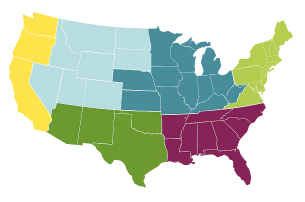
The world-famous wildflowers of the Southwest are brought together to assure a wonderful native meadow from the Pacific coast inland through the deserts. Native annuals in the mix include two species of lupine, Indian Blanket, Desert Marigold, Blazing Star, Farewell to Spring, and more. Perennials include California poppy, of course, and Mexican Gold Poppy too, plus red Mexican Hat and two Evening Primroses, the yellow and the famous pink. Sow as rainy season begins in mild areas; in the mountains, after spring frosts.
As soon as your order is placed you will receive a confirmation email. You will receive a second email the day your order ships telling you how it has been sent. Depending upon your order date, we may hold your shipment to combine it with other products on your order, if applicable. See our shipping information page for approximate ship dates and more detailed information. If you have any questions, please call Customer Service toll-free at (802) 227-7200 or contact us by email or chat.
Overall rating: 4.5 / 5 from 10 reviews.
Review topics: [].
"More and more beautiful every day"
"Love the beautiful and bold colors. This is a very good mix as far as flower succession (bloom schedule), too. There isn't a lot of down time at all during the growing season when "nothing is blooming and it all just looks like ugly/dead weeds" I planted a quarter pound of these seeds in the late fall/early winter at recommended density. They are on a slight (and very exposed to wind, sun, reflective heat and rain!) slope, so I roughed up the lean dirt and construction waste pretty well with a hard rake before planting, in order to create little pockets and ledges/tiers for the seed to lodge. The rake lines ran perpendicular to the slope incline, so that the seeds couldn't wash away as easily. They seedlings sprouted and started blooming very early in the spring! Dispersement was pretty even so I think the planting technique worked. I heavily interplanted these with perennial potted plants from American Meadows and their sister company, High Country Gardens. The idea being that the various plants would shade each other and provide some insulation from the harsh elements. I tried to go with a variety of heights, growth habits and bloom times to create a shielding phalanx against the elements. Companion plantings included everything from small desert trees, bushes/shrubs, tall thin plants such as sunflower, and then lavender, yarrow, desert grasses, wildflower tulips, on down to groundcovers such as ice plants and poppy mallow. It's going well and that horrible spot is slowly becoming an oasis! During the first growing season, after the spring moisture was all gone, it's been helpful to provide a layer of water up to twice a day depending on weather severity and size of seedlings. Basically if it's super hot, windy and sunny, and some of the seedlings look small or stressed, then I might bring the watering can out twice a day. Normal days, once a day while everything is getting established. And on cloudy, cool or wet days, there isn't a need to water."
"Here in Alabama we have long hot summer. Sometimes we do not get rainfall on a regular basis. These wildflowers are designed to flourish in the drier climates or areas that do not get moisture on a regular basis. These wildflowers are great for the Southeast United States."
"I live in rural Arizona on a hill that has wild chia, lupine, ragwort, Phacelia and desert marigold. I figured this mix would add to our wildflower season. A lot of seedlings sprouted early spring and I was quite happy with that. But then came the rabbits and hares - eating any seedling they could excepting a few California poppies, a ton of bluebells, maybe 5 Five Spots and two Tidy Tips. I LOVED the Bluebells and poppies. But it broke my heart the hundreds of different seedlings that germinated never had a chance against the wildlife. The good news is they reseeded and I now have even more bluebells (and Poppies) than I did last year. I will order more California Bluebells. But for MY rabbit filled area, that is all."
"I used this product to add color, aid in stabilization of a large slope area, and provide a ground cover during restoration (with other native plants) of a large south facing area in southern Ca. It performed very well in all respects. this is my 2nd full year, and plants have returned well, including some I did not notice the first time."
"Planted seeds in 2in top soil and manure mix just before rainy season. seeds germinated and produced lovely colorful wild flowers in the late summer."
"just spread seeds and wait for them to bloom!!"
"Planted wildflower seeds in December. It is now, end of May and they are still blooming. I have received so many compliments from strangers and neighbors on how beautiful they are. They also want to know where I order them. American Meadows. Awesome seeds."
"Planted the seed in November, but I think our winter was just to much. Followed the instructions, but a few weeks after planting we had terrible winds and about three very heavy rain storms and most of the seed was washed away. We have a few varities that made a show here and there, but what few poppies came up are still only a half inch tall. Will try again next year!"
"This is my second year with these flowers and they have come up beautiful each year. A great variety of colors in this mix. Easy to grow."