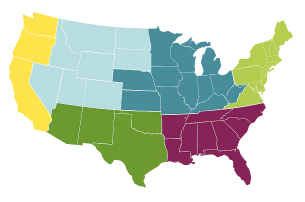
How do we use your location?
Knowing your location helps us recommend plants that will thrive in your climate, based on your Growing Zone.
This is the true grandfather species of them all—the basic annual sunflower that figured so prominently in Native American ritual, fabric making, and foods. Flowers are only about 3-4 inches across, rather like a large, single black-eyed susan on rangy, 3-foot, sandpapery plants. Do not confuse this one with its hundreds of descendants including the garden giants with huge, seed filled centers—they’re all hybrids of this species. State flower of Kansas.
As soon as your order is placed you will receive a confirmation email. You will receive a second email the day your order ships telling you how it has been sent. Depending upon your order date, we may hold your shipment to combine it with other products on your order, if applicable. See our shipping information page for approximate ship dates and more detailed information. If you have any questions, please call Customer Service toll-free at (802) 227-7200 or contact us by email or chat.
Overall rating: 5.0 / 5 from 9 reviews.
Review topics: [].
"They were slow to start, I thought they were a dud so I kept sprinkling the seeds every few weeks when I hadn't yet seen a sprout. Now it's august and all of the seeds have sprouted. They came up after my other sunflowers but they caught up quickly. We have a pretty bad infestation in my neighborhood of cocklebur. My other sunflowers have issues with the bugs. While I have picked off the occasional cocklebur from these, I so far have seen no damage from the larva. I will update if that changes but I think they do better against the bug than other, typical sunflowers."
"Second year these seeds germinated themselves and came back better and fuller. Birds love these. Easy to collect seeds from. The zinnia mix is also from American Meadows."
"I worked hard to get rid of the grass in the area, but once done, I threw down the seeds and waited. Unfortunately, I forgot that birds love sunflower seed. Thankfully, they left behind about 2 dozen seeds which sprouted and grew up into 4 to 7 ft. tall bee heaven. The new seeds are almost ripe, now (October). The bees have left, and I'm now waiting for the birds to return for one last fill-up before migrating. Once the birds have finished, I'll be throwing down seed I reserved from the original order, and draping the area with a plant fabric, so I can have a thicker result next year."
"Got one sunflower that grew, despite all the watering. No rain this year and grasshoppers ate the ones that did get started."
"This is our 1st year with these and so far they are a winner. The blooms are bright and the plants seem hardy."
"We use them all over our land. The bees (which need all the help they can get) love them & so do the birds. We also save the seeds for sprouts"
"We used the Kansas sunflowers in a large meadow planting for easy and vivid color."
"Added them to our garden, and yard. We enjoyed them all summer, and the birds enjoyed them in the fall and winter, especially once we started to get snow."
"I really like this product. For the price I recieved a lot of viable seed! Its a native and thats all I garden with!"