


15 min read
How to Plant a Bulb Lawn: The Best Bulbs for Naturalizing in Grass
Posted By American Meadows Content Team on Oct 5, 2026 · Revised on Oct 20, 2026
Posted By American Meadows Content Team on Oct 5, 2026 · Revised on Oct 20, 2026
A bulb lawn is an area of existing turf planted with spring-flowering bulbs that naturalize, coming back every year in greater numbers. Tuck them into your grass this fall, and next spring they'll burst through the green before the lawn wakes up, feed the first bees of the season, and fade away just as mowing season begins. Here, our experts Tabar Gifford and Megan Foster share the best bulbs for naturalizing in grass, how to plant drifts that look like nature did the work, and how to care for a bulb lawn so it gets better every spring.
“Planting bulbs in a lawn is one of those wonderfully low-effort, high-reward things you can do in the garden: you put them in the ground in fall and, come spring, they return on their own. The key is choosing bulbs that can naturalize well and giving their foliage time to finish after they bloom. That little bit of patience is what helps bring the display back year after year.”
As featured in Homes & Gardens · EIN Presswire · Martha Stewart
Unlike a traditional bulb bed, a bulb lawn places bulbs directly into grass, so the flowers appear before the lawn reaches its main growing and mowing season. You keep your lawn and gain a whole extra season of color.

The idea has deep roots in the Netherlands. The Dutch term stinzenplanten refers to spring-flowering plants, many of them bulbs, that were planted generations ago around historic estates, country houses and gardens and have since naturalized. The name comes from the stinzen, the old stone estate houses of Friesland. Today the term is often used for naturalized bulb plantings like these, which inspired the modern bulb lawn, rather than as a direct synonym for it.
A naturalizing bulb comes back on its own every year and gradually multiplies. Depending on the species, it spreads by offsets (small new bulbs that form alongside the parent), by self-seeding, or both. That's the magic of a bulb lawn: a few handfuls planted this fall can become a sweep of color a few springs from now.
“Here in Vermont, after a long winter, these bulbs are some of the very first signs that spring has arrived. I love seeing that first color come up before the grass has even started to green. It feels like the landscape outside is finally waking back up and bringing a little joy and renewal with it. They're also some of the first food for bees coming out of winter.”
The best bulbs for a lawn share three traits: they stay small, they bloom early, and they naturalize. Petite plants mingle easily with the grass. Early bloomers give their leaves time to finish before the first mow. And naturalizers multiply, so your display grows a little fuller every spring.


Master Gardener and Certified Pollinator Steward · Meet Tabar

Perfect for naturalizing bulb lawns, Tete-a-Tete thrives in well-drained soil and multiplies each year. Its small size makes it easy to plant, and its cheerful yellow trumpets are some of the first daffodils to open in spring. Because it blooms early, its foliage fades by the time mowing begins. Plant in clusters about 3–4 inches deep in fall, then let nature take it from there. There's a reason it's one of the most popular miniature daffodils around.
Blooms: Early spring • Plant: 3–4 inches deep • Soil: Well-drained
Also try: Elka Mini Daffodil for a softer, creamy take on the miniature daffodil, or our Naturalizing Mini Daffodil Collection.

The original Poet's Daffodil, 'Actaea' is a true heirloom with generations of garden history behind it. “These dainty beauties are ideal for naturalizing bulb lawns due to their historic resilience and beauty,” says Tabar. Pure white petals frame a small yellow cup rimmed in red, and its sweet fragrance drifts across the lawn in late spring, closing out bulb season in style. Plant about 4–6 inches deep in well-drained soil in fall, then let the foliage fade on its own so the bulbs can recharge for next year.
Blooms: Late spring • Plant: 4–6 inches deep • Soil: Well-drained
Also try: Golden Bells Daffodil, whose upturned yellow blooms carry color from late spring into early summer, or browse our daffodil bulbs.

Thalia brings a wild, classic charm to a bulb lawn. Each stem carries several nodding white flowers with a sweet fragrance, so even a small drift makes a big impression. It thrives in well-drained soil, melts right into meadow and lawn, and returns in greater numbers every spring. Hold off on mowing until the foliage dies back.
Blooms: Mid spring • Soil: Well-drained
Also try: Our Naturalizing Mini Daffodil Collection or the full range of daffodil bulbs.

Crocus is often the very first splash of color in a bulb lawn, sometimes blooming right through a late dusting of snow. Its purple, yellow and white goblets pop up in cheerful clusters before the grass has even started to green. Crocus naturalizes effortlessly, and a handful of bulbs planted one fall can turn into drifts of flowers over the years. Plant in loose clusters rather than straight rows. “Nature rarely plants in perfect lines, and those casual drifts always look more magical in spring,” says Tabar. Wait until the foliage fades before mowing so the bulbs can store energy for next year's bloom.
Blooms: Very early spring • Light: Full to partial sun • Soil: Well-drained
Shop All CrocusAlso try: Find more early-season favorites in our bee-friendly fall bulbs.

Perennial and Bulb Expert · Meet Megan

“We love snowdrops for naturalizing. Over time, a few bulbs can build strong colonies by producing bulb offsets,” says Megan. Named for their crisp white flowers and the thrill of spotting them through late snow, snowdrops are a beloved harbinger of warmer days.
Plant them in well-draining soil. They come from the deciduous forests of Eurasia, so they're right at home in a woodland setting, soaking up sun before the trees leaf out and resting in the shade as they go dormant.
Blooms: Very early spring • Soil: Well-draining • Site: Woodland edges
Also try: Giant Snowdrops (Leucojum), also called snowflakes, carry nodding white bells with a dot of green at the tip of each petal and are happy in moist soil.

A fun and relatively unusual choice in the United States, this Eurasian species goes by many evocative names, including Snake's Head Fritillary, Chess Flower and Frog Cup. Its checkerboard bells nod on slender stems, and its fine leaves melt right into a lawn or meadow. Give it well-draining soil in a spot that stays lightly moist through summer, plus a little dappled shade, and it will reward you with a charming show.
Blooms: Mid spring • Light: Dappled shade • Soil: Lightly moist
Also try: Its petite cousin, Fox's Grape Fritillary (Fritillaria uva-vulpis), dangles plum-purple bells edged in gold.

Grape hyacinth's vivid blue flowers pack tightly along each stem, and together they can form a veritable river of petite blooms through the lawn or along a garden bed. “They're a classic for a reason,” says Megan. Scatter them right in the turf for a lighter, more natural effect. In well-drained soil, they'll keep multiplying every spring.
Blooms: Spring • Soil: Well-drained
Shop All Grape HyacinthsAlso try: Julia Grape Hyacinth, with fragrant sky-blue flowers tipped in white, White Grape Hyacinth for a frosty contrast, or the soft pink spires of Pink Sunrise Grape Hyacinth.

Unlike most tulips, Persian Pearl is a dependably perennial species tulip. Its intense fuchsia petals and golden-yellow center set it apart, and its slender stems seem to hold a tiny ruby jewel before it bursts open in spring sunshine. Native to rocky mountain slopes, it loves drier sites and lean soil. Its ideal home is the sunny edge where a rock garden meets the lawn.
Light: Full sun • Soil: Dry, lean
Also try: Shogun Wild Tulip for a warm burst of apricot-orange, or mix and match species tulips with our Naturalizing Little Gems Wild Tulip Collection.
Prefer a mix that's already planned? These collections pair bulbs that bloom in succession and naturalize beautifully in grass. Every bulb is backed by our Dig In Guarantee.
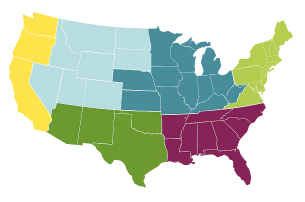
Spring-blooming bulbs need a chilling period in the ground for their flowers to form, which is why they're planted in fall. They also use the season to grow roots before winter. The good news: as long as the ground is workable, you still have time. The one thing to watch is planting too early. Bulbs tucked into warm soil can sprout too soon or rot before they root in, so wait until the soil has cooled. A safe rule of thumb is a steady 40–50°F, and your timing may shift a bit from year to year. Find your zone on our USDA Hardiness Zone Map.
| Climate | Zones | When to Plant |
|---|---|---|
| Cold | 3–6 | September–October, before the ground freezes |
| Mild | 7–8 | October–November |
| Warm | 9–10 | Pre-chill bulbs, then plant November–December |
Running a little late? See our guide to late fall and winter planting times.
Drift planting arranges bulbs in loose, flowing shapes instead of rows, so your bulb lawn looks as if it sprang up on its own.
A bulb lawn grows at your pace. A single drift under a deciduous tree or along a walkway is an easy starting point, and you can add new areas each fall. For many gardeners, it's also a first step into meadowscaping. The patch you leave unmowed for bulb foliage each spring can become the start of a larger meadow or planting bed.
That's the idea behind Reduce Your Lawn Day, celebrated every May 20th, right around the time many bulb lawns are finishing their show in the coldest areas. Plant bulbs this fall, and by Reduce Your Lawn Day you may already be dreaming up your next project. For more ideas, see Get This Look: No-Mow Lawns.
A bulb lawn is an area of existing turf planted with spring-flowering bulbs that naturalize and bloom before the lawn greens up. It draws on the Dutch tradition of stinzenplanten, bulbs naturalized for generations on the grounds of historic estates.
Naturalizing bulbs come back on their own every year and gradually multiply, spreading by offsets, self-seeding, or both, so the display grows fuller each spring.
Our experts recommend crocus, Tete-a-Tete miniature daffodils, Poet's daffodil 'Actaea', Thalia daffodils, snowdrops, grape hyacinth, glory of the snow, Ipheion, snake's head fritillary and species tulips like Persian Pearl.
Yes, they can as long as you keep your bulb lawn chemical free. Early bloomers like crocus, snowdrops and grape hyacinths can offer pollen and nectar to bees that emerge on the first warm days of spring, when few other flowers are open.
In fall. Plant September–October in Zones 3–6, October–November in Zones 7–8, and November–December in Zones 9–10 after pre-chilling.
Plant more than you think. Most bulbs give one bloom each, and naturalizing varieties take a few seasons to fill in, so generous planting gives you the fullest first spring.
Wait until the bulb foliage yellows and dies back on its own. Until then, mow around the patches. The leaves are recharging the bulbs for next year.
Species (wild) tulips like Persian Pearl are dependably perennial. Large hybrid tulips, like the Triumph group, are typically replanted every year.
About 3 times as deep as the bulb is wide, pointy side up, unless the package says otherwise.
Lay chicken wire over freshly planted areas for a few weeks, and mix in daffodils, which deer and rodents tend to leave alone.
The green thumbs behind this guide
Partnership Cultivator · Master Gardener · Certified Pollinator Steward
Tabar has helped gardeners rethink their landscapes at American Meadows since 2009. A UVM Master Gardener and Certified Pollinator Steward, she leads the Reduce Your Lawn Day movement and loves growing just about everything, from bulbs and natives to edibles and containers. She gardens in Zone 4 in Vermont.
Meet Tabar Gifford →
Product Category Manager · Perennial and Bulb Expert
Megan has overseen our perennials and bulbs since 2019. With a keen eye for color and a passion for pollinators, she curates our pre-planned gardens and our spring and fall bulb assortments. She gardens in Zone 5 in Vermont.
Meet Our Plant Experts →


