


5 min read
How To Plant Fall Flower Bulbs
Posted By American Meadows Content Team on Sep 27, 2012 · Revised on Nov 24, 2026
Fall-planted flower bulbs are loved by beginner and master gardeners alike. This guide shows you how to plant fall flower bulbs, including when and where to plant them, how deep to dig, and how to care for them after they bloom.
These easy-to-grow bulbs include Tulips, Daffodils, Crocus, Hyacinths, Grape Hyacinths, and Snowdrops, which all bloom in spring. They need a period of cold weather to bloom, and fall's cool temperatures make planting a pleasant job. Planting seeds and perennials this fall too? See our tips for planting in fall. Dig in!
In climates with cold winters, plant bulbs in the ground in fall, where they will chill long enough to develop spring blooms.
Plant as soon as the ground is cool, when evening temperatures are consistently between 40°F and 50°F. Ground temperatures typically reach this range about 6 to 8 weeks before the ground freezes, which is the ideal planting window. As long as you can still dig and your ground is workable, you can still plant.
If needed, you can store bulbs for a month or longer before planting. Keep them in a cool, dry place.
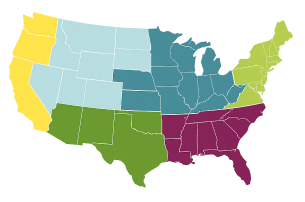
Check your current soil temperature with this interactive map (opens in a new tab)
Where winters are not cold enough to chill bulbs, pre-chill your bulbs before planting.
Leave bulbs in their bags and place them in the refrigerator. Keep them away from fruit, especially apples. Ripening fruit gives off ethylene gas, which can damage or kill the flower inside the bulb.
Once the bulbs have chilled, plant them at the coolest time of year in your climate. Bulbs won't last until next season, so be sure to get them in the ground.
You can plant bulbs just about anywhere in your garden as long as the soil drains well. The Dutch say, "bulbs don't like wet feet," so avoid spots where water collects, such as the bottom of a slope.
Bulbs like full sun. Bulbs that bloom in early to mid spring get plenty of light under trees, because the tree leaves are not out yet.
For the best results, prepare your planting bed before you plant.

Planting a lot of bulbs? See our guide to quick and easy trench-style planting for big color. Planting in grass? Here's how to plant a bulb lawn.
As a rule of thumb, plant bulbs about three times as deep as the bulb is tall. Larger bulbs, such as Tulips, Daffodils and Hyacinths, go deeper than small bulbs, such as Crocus and Grape Hyacinths. Always follow the depth on your bulb label.

Ready to plant? Start with a favorite, or browse by what your garden needs.
What you do with fall flower bulbs is limited only by your imagination!
Looking for fall bulb ideas? Learn more in Designing With Fall-Planted Bulbs in Small and Large Gardens.
For bulbs meant to naturalize and return for several years, or bulbs coming into their second year, spread an organic fertilizer such as compost or a slow-release bulb fertilizer on top of the soil.
When the flowers have finished blooming, cut off the flower head, but leave the foliage. Bulbs use the foliage to make and store the energy for next season's growth. Once the foliage has turned yellow or brown, you can cut it to ground level.


