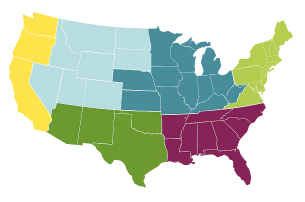
How do we use your location?
Knowing your location helps us recommend plants that will thrive in your climate, based on your Growing Zone.
Perennial – blooms appear in the second season and will reappear for many years to come. 12" tall. Spider Milkweed (Asclepias viridis) is a shorter variety of asclepias and also a light spreader, making it an ideal plant for smaller pollinator gardens or those who don’t want to naturalize their landscape with Milkweed. An earlier bloomer (May to June), Spider Milkweed is an important resource for early generations of Monarch butterflies, as well as an early nectar source for other pollinators and beneficial bugs. This variety is tolerant of dry conditions and thrives in fast-draining soils and full sun to partial shade. Requires a cold period in order to germinate and is best planted in the fall or forced into cold stratification for spring seeding.
As soon as your order is placed you will receive a confirmation email. You will receive a second email the day your order ships telling you how it has been sent. Depending upon your order date, we may hold your shipment to combine it with other products on your order, if applicable. See our shipping information page for approximate ship dates and more detailed information. If you have any questions, please call Customer Service toll-free at (802) 227-7200 or contact us by email or chat.
Overall rating: 3.0 / 5 from 1 reviews.
Review topics: [].
"I have grown different varieties of milkweed from seed for years. Have many varieties in the yard for Monarch weigh station. Some of these have come from American Meadows, a favorite site to order seed. This year I chose the Spider Milkweed because it is an early bloomer for the earlier passing through of Monarchs. A little disappointed with the germination rate of this one. Out of the packet of seed only six germinated after stratification. Way less than 50%. Normally, I can expect at least 50% or better. Either seed not viable or an extremely tough variety to germinate. Six is enough to start and collect seed for the future, providing they survive. However, would have preferred a stronger start."