Native Northeast Wildflower Seed Mix

Regular price $2,999.95
Sale price $2,999.95 Regular price $0.00
per 50 Pounds
Sale |
ZONES  2-7 | Good to grow! Zone
Choose a Size: 50 Pounds
Regular price $27.95
Sale price $27.95 Regular price $0.00
Regular price $37.95
Sale price $37.95 Regular price $0.00
Regular price $74.95
Sale price $74.95 Regular price $0.00
$72.59/lb
Regular price $362.95
Sale price $362.95 Regular price $0.00
$70.00/lb
Regular price $699.95
Sale price $699.95 Regular price $0.00
$62.48/lb
Regular price $1,561.95
Sale price $1,561.95 Regular price $0.00
$60.00/lb
Regular price $2,999.95
Sale price $2,999.95 Regular price $0.00
Bulk Savings - Buy More, Save More!
Amount: 50 Pounds
Regular price $27.95
Sale price $27.95 Regular price $0.00
Regular price $37.95
Sale price $37.95 Regular price $0.00
Regular price $74.95
Sale price $74.95 Regular price $0.00
$72.59/lb
Regular price $362.95
Sale price $362.95 Regular price $0.00
$70.00/lb
Regular price $699.95
Sale price $699.95 Regular price $0.00
$62.48/lb
Regular price $1,561.95
Sale price $1,561.95 Regular price $0.00
$60.00/lb
Regular price $2,999.95
Sale price $2,999.95 Regular price $0.00
No shipping data More Information

• Provide essential habitat for at-risk native pollinators, birds and wildlife
• 100% native to the Northeast with over a dozen wildflower varieties adapted to your local ecosystem
• These long-lasting, resilient native wildflowers are extremely low maintenance once established
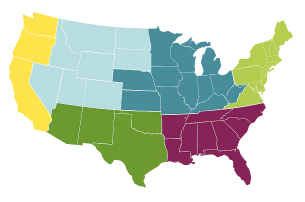
• Expertly formulated for Connecticut, Delaware, Maryland, Massachusetts, Maine, New Hampshire, New Jersey, New York, Pennsylvania, Rhode Island, Vermont, West Virginia as well as Quebec and the Eastern Provinces
• All of our seed is 100% pure, non-GMO and neonicotinoid free

Videos
 

More Like This

What's In This Mix

This premium mix includes 18 native wildflowers: 3 annuals for first-year color, plus 15 perennials & biennials for second and successive years' bloom.
Name
Life Cycle
Bloom Time
Native To
Eastern Red Columbine Seeds
Eastern Red Columbine Seeds Aquilegia canadensis
Perennial
Early Summer
Most of the United States east of the Rocky Mountains
Swamp Milkweed Seeds
Swamp Milkweed Seeds Asclepias incarnata
Perennial
Summer
North America
Butterfly Weed Seeds
Butterfly Weed Seeds Asclepias tuberosa
Perennial
Summer
Native to most of North America, from Canada to Florida
Partridge Pea Seeds
Partridge Pea Seeds Chamaecrista fasciculata
Annual
Mid summer to early fall
Lanceleaf Coreopsis Seeds
Lanceleaf Coreopsis Seeds Coreopsis lanceolata
Perennial
Summer to fall
Most open areas of North America including the plains and California.
Eutrochium maculatum
Spotted Joe Pye Weed Seeds Eutrochium maculatum
Perennial
Summer to fall
Eastern & Central North America
Firewheel Seeds
Firewheel Seeds Gaillardia pulchella
Annual
Summer
Most of North America
Early Sunflower Seeds
Early Sunflower Seeds Heliopsis helianthoides
Perennial
Early to late summer
Eastern United States and Eastern Canada
Blazing Star Seeds
Blazing Star Seeds Liatris spicata
Perennial
Summer to fall
Most open areas of North America east of the Mississippi; Canada to Florida and Mexico.
Perennial Lupine Seeds
Perennial Lupine Seeds Lupinus perennis
Perennial
Spring to summer
Most of the US and Canada east of the Mississippi
Bee Balm or Wild Bergamot Seeds
Perennial
Mid summer to fall
Most regions of North America
Foxglove Penstemon Seeds
Foxglove Penstemon Seeds Penstemon digitalis
Perennial
Early to mid summer
East of the Rocky Mountains.
Black Eyed Susan Seeds
Black Eyed Susan Seeds Rudbeckia hirta
Perennial
Summer to fall
Originally thought to be a native of only the North Americans plains, but now thought to be native all the way from the plains to the Atlantic coast in the mid-Atlantic states.
Rudbeckia subtomentosa
Sweet Coneflower Seeds Rudbeckia subtomentosa
Perennial
Late summer to fall
Central United States
Rudbeckia triloba
Brown-eyed Susan Seeds Rudbeckia triloba
Biennial
Summer to Frost
Eastern & Central North America
Stiff Goldenrod Seeds
Stiff Goldenrod Seeds Solidago rigida
Perennial
Late summer
Eastern and Northeastern United States
New England Aster Seeds
New England Aster Seeds Symphyotrichum novae-angliae
Perennial
Late summer to fall
Eastern and Midwestern No. America, from Canada to Alabama
Common Evening Primrose Seeds
Common Evening Primrose Seeds Oenothera biennis
Biennial
Spring to fall
Eastern and Central North America

Overall rating: 4.3166666 / 5 from 60 reviews.

AI Generated Review Summary

Native Northeast Wildflower Seed Mix offers a beautiful and natural look with a variety of native plants that grow well and provide color all season long. Customers appreciated the high germination rate and the excellent mix of native seeds, making it a perfect solution for hard to mow areas.

Summary topics

  • Garden Growth: 13%
  • Seed Mix Quality: 24%
  • Aesthetic Appeal: 13%
  • Native Plant Variety: 6%

Review topics: ["instructions","color","look","buy","results","summer","outcome","work","maintenance","mix","plants","flowers","garden","seeds","variety","growing","meadows","species","show","milkweed","season","weed","evening primrose","germination","bees","plot","blend","annuals","sunflowers","leaf"].

Review highlights

  • "This mix is doing really well this year, the coverage is great, everything is very green and looks great."Grace
  • "For anyone who wants a fast growing, maintenance free garden this may not be for you."Deb
  • "Beautiful natural look"Judy

Reviews

Site specific results, wrong lupin came up

"Ox eye sunflower (aka early sunflower), lance leaf coreopsis, wild bergamot, Indian blanket and swamp milkweed came up great. The lupin was the wrong morphology and I looked it up the western lupin (11-17 leaflets, taller and darker blue -can poison the the endangered Karner blue butterfly). The lupin perennis which is what's listed on the seed description would be shorter less leaflets (7-11) some of them came up as well. Suggesting either this mix or the lupin perennis bag was contaminated genetically. I am ripping out all the lupin just to be safe and buying from a locally sourced all native seed supplier. In terms of the other species I'm on year three and haven't seen any butterfly weed, or other species come up. It's possible they were eaten by rabbits. I know wild bergamot and swamp milkweed are rabbit resistant. Disappointed no liatris spicata aka blazing Star came up at all. However I ready they only stay viable one year max so maybe the mix wasn't planted soon enough after purchase. Golden rod, new England aster and penstamin digitalis came up for me in a different planting which is great. Same seed mix but different site."

Magdalen (3/5)

Amazing!

"I bought this to swap out some yard for insect and bird friendly plants. Right now I have a goldfinch couple in there. The hummingbirds visit it. The bees and other pollinators love it. It has bloomed all summer with certain flowers coming early and now in August, they're going to seed, and different flowers are blooming. Aside from preparing the ground and occasionally yanking a rogue grass, it has required no help from me. I love it! It is a wild meadow in appearance, so if you like your different plants clustered together, this is not for you. It is a medley of purples, yellows, reds, and a few blues."

Kat (5/5)

Great first season

"Great first season. Lots of black eyed Susans and Indian blankets flowers. The bumblebees love the partridge pea. I can't wait to see what year two brings."

Bear C. (5/5)

Mixed with North East Wildflower Mix

"I'm writing a review from the 2nd year in after establishing a meadow in spring of 2024. I mixed 1/4 lb of the native mix with 1/4lb of the north east wildflower mix. Year one I got beautiful annuals and color, and rudbekias bloomed even in first year. I was very happy with the appearance of the meadow in year 1. Second year the meadow is dominated by Brown Eyed Susan's and very tall. The Brown Eyed Susan's resembled ragweed when coming up in the spring but I left alone knowing that I had been extremely vigilant and had certainly not seeded ragweed, and had spot checked through first year to make sure no ragweed or poisonous parsnip was infiltrating the meadow (both can be issues here!). I'm glad I didn't pull all the brown eyed Susan's, but in retrospect I wish I had pulled some. The meadow is dominated by them this year, with few other species able to survive. They are also extremely tall. I was hoping that more purple cone flowers and bee balm would have made it, but I have only a few that are hiding under the Susan's. As far as installation goes, I tilled - I rented a large walk behind tiller from a tool rental place near me. I then waited two weeks and tilled again with a tiller attachment on my home string trimmer. We then hand scattered in late May and used boards to gently press seeds into ground by stepping on them. I kept it watered until about a foot tall and then it was left to fend for itself. It was a lot of work upfront, but since installation, it's been very minimal which is what I wanted. I mowed one time in early spring in second year and plan to again each year. Overall, I was really happy in year one, and I'm happy with the minimal work / maintenance in year two with an OK appearance. I'm hopeful that maybe in year three I'll get a better diversity. I may hand pull some of the Susan's early next spring or after frost this year. I would recommend to American Meadows that they lower the percentage of Brown Eyed Susan's - they are just too tall."

Shelley (4/5)

YMMV

"This is my 3rd year working with the Native Northeast mix. First year I had almost all black-eyed Susans (100+), and a few Indian blanket. The second year, we had a terrible drought and only about 7 black-eyed Susans came up, and died early. The whole plot got taken over by stiltgrass. This year, I re-seeded and we had a decent mix of sun and rain, and I was aggressive about weeding. This time I have a few dozen partridge pea, which the bees love. A single foxglove penstemon bloomed and died quickly. After a rain, cornflowers bloom, maybe half a dozen of them. Only about half a dozen black-eyed Susans this year; I think a groundhog is eating them. A dozen or more coreopsis came up, but only in one small area. I also have one sunflower now. The lupines came up but never bloomed, maybe because the summer turned so dry and hot. Overall, I would say to start small, get the plot established before expanding. I scaled back the size of the plot this year and will scale back further next year to keep the weeding manageable. Weather has a huge effect on what comes up and what survives from year to year."

Experimenter (4/5)

Very disappointing

"Almost none of the seeds germinated. Total waste of money. I sheet mulched my tree lawn last fall and killed the grass to make a wildflower meadow, but the goldenrod was the only thing that germinated, and only a handful of plants from 1/2 lbs of seeds."

Petunia (1/5)

My very own wildflower meadow!

"I followed all instructions and turned and overgrown mess of tall grasses and weeds into a beautiful wildflower meadow. It took some work and patience, but if you follow instructions given, the results are awesome!"

Bdano1 (5/5)

Happy Bees!!

"I was overzealous and didn't follow the instructions on seeding - so it's a little tight in that corner - FOLLOW THE SEEDING INSTRUCTIONS (don't get excited like me and use almost the whole bag in one 8'x8' spot)! Despite being overzealous - the seeds did awesome, and I love looking at the new flowers that pop up. I also love walking over there and hearing how happy the bees are bopping from flower to flower! #sweepstakes"

Quincys M. (5/5)

Lots of first year flowers!

"We spread seeds in spring and now in midsummer year 1 we have lots of flowers. Looks like all coneflowers, black eyed susans, and coreopsis. Haven't seen any beebalm or other listed flowers. Overall, we love what we've got! #sweepstakes"

TNG22 (5/5)

Very pleasantly surprised with first year germination!

"I killed 100x25 ft area of lawn and covered it with topsoil, planted perennial grass and forb plugs in the fall, and seeded with this mix after a snow in the winter. We had a ton of rain throughout winter and early spring, and there was a ton of runoff on the unprotected soil, so I feared free of the seeds would have stuck around. Imagine my delight when they started germinating in late spring! As expected, the early succession plants are the quickest to grow and bloom, but a ton of other promised species are growing, too. I'm so happy with this purchase and I can't wait to see the meadow develop and mature over the next few years! Note: I chose not to mow the first year, which helps suppress annual weeds, so I've stayed on top of weeding meticulously. If you don't want to, I suggest mowing the first year."

Cate (5/5)

Q&A

Your Recently Viewed