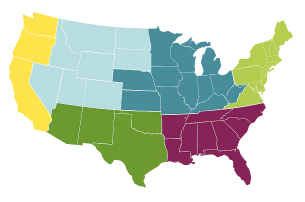
The North Carolina Native Wildflower Seed Mix is a thoughtfully assembled collection of wildflowers chosen specifically for nativity, performance, and ecological value in North Carolina's climate and soils, from the sandy Coastal Plain and rolling Piedmont to the rich coves and highlands of the Southern Appalachians. The base mix brings together ten proven native performers, including Black Eyed Susan, Purple Coneflower, Butterfly Weed, Bee Balm, Lanceleaf Coreopsis, Rattlesnake Master, Ohio Spiderwort, Early Sunflower, Plains Coreopsis, and Common Evening Primrose, delivering continuous color from spring through hard frost and genuine food and habitat value for North Carolina's pollinators and wildlife.
Sized by square footage rather than weight, it takes the guesswork out of planning, whether you are covering a small garden bed or transforming a larger open area. Each size contains a different quantity of base mix scaled to your coverage area, but every order includes the same five bonus seed packets regardless of size. Because these rare species are small-seeded, expensive to source, and impossible to guarantee at a consistent rate when blended into a bulk mix, they are included as individual packets so that every single customer receives a full, generous quantity of each one!
Every species in this mix was hand-selected for its performance in North Carolina conditions, its value to the local food web, and its contribution to a planting that stays interesting from spring through hard frost. The five bonus packets are where this mix goes above and beyond: each one features a rare, unusual, or ecologically exceptional North Carolina native that you are unlikely to find anywhere else, packaged individually so you can place each species exactly where it will do its best work.
What's included in your five bonus packets:
Aromatic Aster Seeds (Symphyotrichum oblongifolium) - One of the last natives to bloom before winter, Aromatic Aster produces dense mounds of violet-purple daisy-like flowers from September through November, often pushing past the first frosts. Fragrant when crushed, it carries a special value designation for native bees from the Xerces Society, is a larval host for the Silvery Checkerspot butterfly, and feeds songbirds and game birds through winter. An outstanding late-season performer across all three of North Carolina's ecological regions.
Blazing Star Seeds (Liatris spicata) - A reliable and low-maintenance native, Blazing Star draws bees, butterflies, hummingbirds, and seed-eating songbirds across a long display season, and doubles as a striking cut flower. Tall, densely packed purple bottlebrush spikes open from the top down in midsummer for a dramatic, long-lasting display that is hard to match in the late-season garden. Native to North Carolina's Piedmont and mountain regions.
Common Milkweed Seeds (Asclepias syriaca) - The single most important plant you can grow for Monarch butterflies, whose caterpillars feed exclusively on milkweed foliage. Fragrant, rose-purple flower clusters bloom in midsummer, attracting a remarkable diversity of native bees, butterflies, and beneficial insects. Spreads by rhizomes to form expanding colonies and provides food and habitat value across the full season from bloom through seedpod.
Showy Goldenrod Seeds (Solidago speciosa) - Bold, upright plumes of deep golden yellow bloom from late summer into fall, providing a critical late-season nectar source for migrating Monarchs, native bees, and beneficial insects. One of the showiest and most ecologically valuable of North Carolina's native goldenrods, and a powerful bridge between summer and the season's end.
Swamp Milkweed Seeds (Asclepias incarnata) - A graceful, rose-pink flowering milkweed native to North Carolina's wetlands, stream margins, and moist meadows from the Coastal Plain to the mountains. Like all milkweeds, it is an essential host plant for Monarch butterfly caterpillars, and its nectar-rich blooms draw an extraordinary range of bees, butterflies, and hummingbirds through midsummer. More tolerant of wet soils than Common Milkweed, it fills a critical ecological niche in rain gardens, bioswales, and pond edges.
*Your base mix and bonus packets can be planted together in the fall. If planting in spring, cold stratify the bonus packets, then incorporate them into the mix and sow.
As soon as your order is placed you will receive a confirmation email. You will receive a second email the day your order ships telling you how it has been sent. Depending upon your order date, we may hold your shipment to combine it with other products on your order, if applicable. See our shipping information page for approximate ship dates and more detailed information. If you have any questions, please call Customer Service toll-free at (802) 227-7200 or contact us by email or chat.